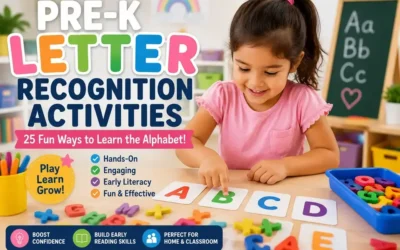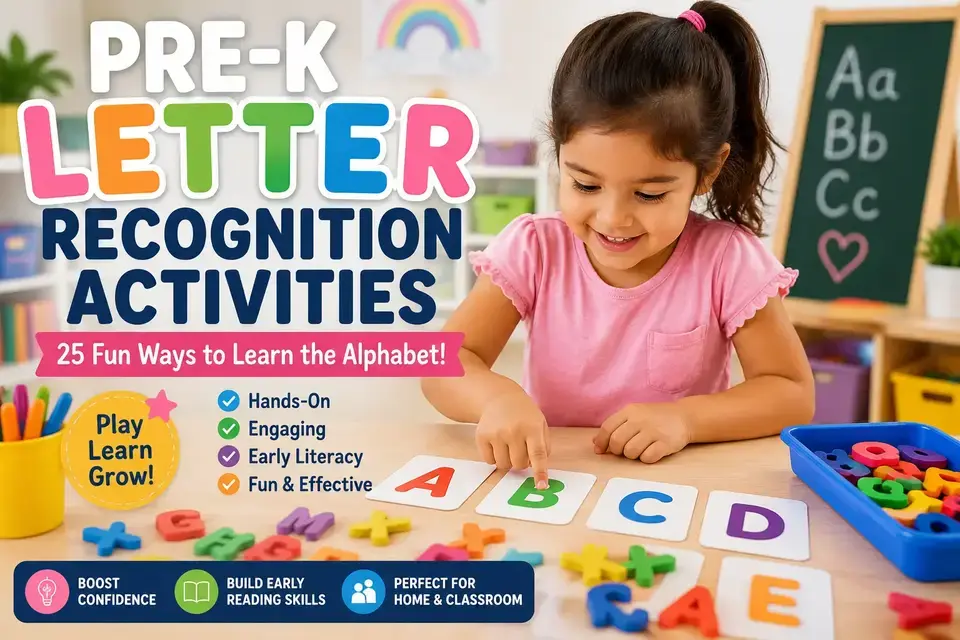
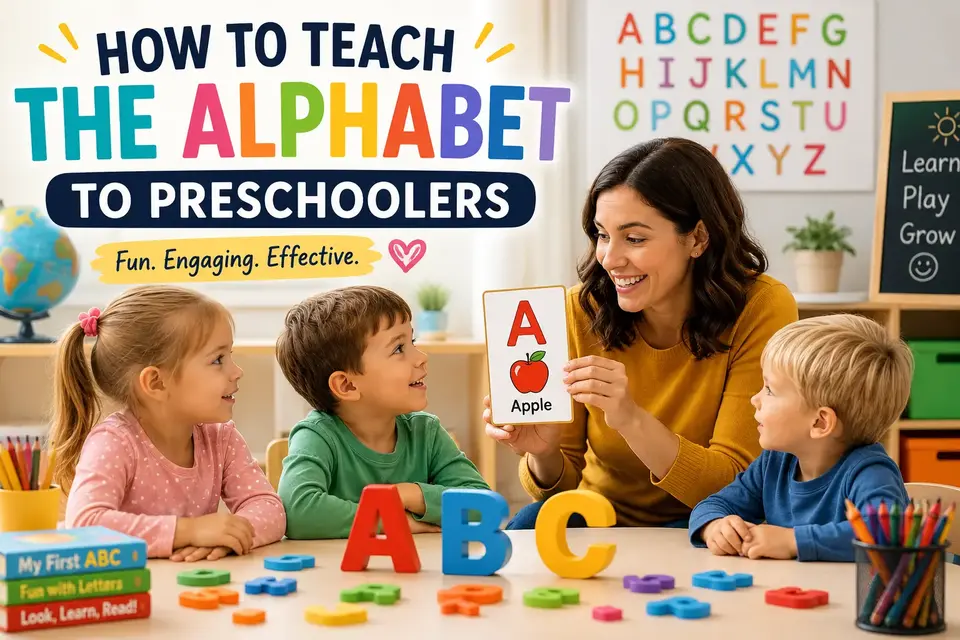
Teaching the alphabet is one of the first and most important steps in a child’s literacy journey. While many adults focus on helping children memorize the ABC song, true alphabet learning goes much further. Preschoolers need opportunities to recognize letters, hear their sounds, identify them in everyday life, and eventually use them in reading and writing.
The good news is that young children learn best through play. By turning alphabet lessons into fun, meaningful experiences, you can help preschoolers develop confidence while preparing them for future reading success.
In this guide, you’ll discover practical strategies, engaging activities, and common mistakes to avoid when teaching the alphabet.
Why Learning the Alphabet Matters
Alphabet knowledge forms the foundation of early literacy. When children become familiar with letters, they begin to understand that written symbols represent spoken language.
Strong alphabet knowledge helps children:
- Recognize uppercase and lowercase letters
- Learn letter sounds
- Build vocabulary
- Prepare for phonics instruction
- Develop early reading skills
- Improve writing confidence
Rather than rushing through the alphabet, focus on helping children understand each letter through repeated, enjoyable experiences.
When Should Preschoolers Learn the Alphabet?
Most preschoolers begin learning letters between the ages of 3 and 5 years. Every child develops at a different pace, so avoid comparing one child to another.
A preschooler may be ready to learn letters if they:
- Enjoy listening to stories
- Show curiosity about books
- Recognize their own name
- Ask questions about signs or labels
- Like drawing or coloring
The goal isn’t perfection—it’s building familiarity and confidence.
Step 1: Start with Letter Recognition
Begin by helping children recognize what each letter looks like before expecting them to remember names or sounds.
Try activities such as:
- Alphabet flashcards
- Magnetic letters
- Foam bath letters
- Letter puzzles
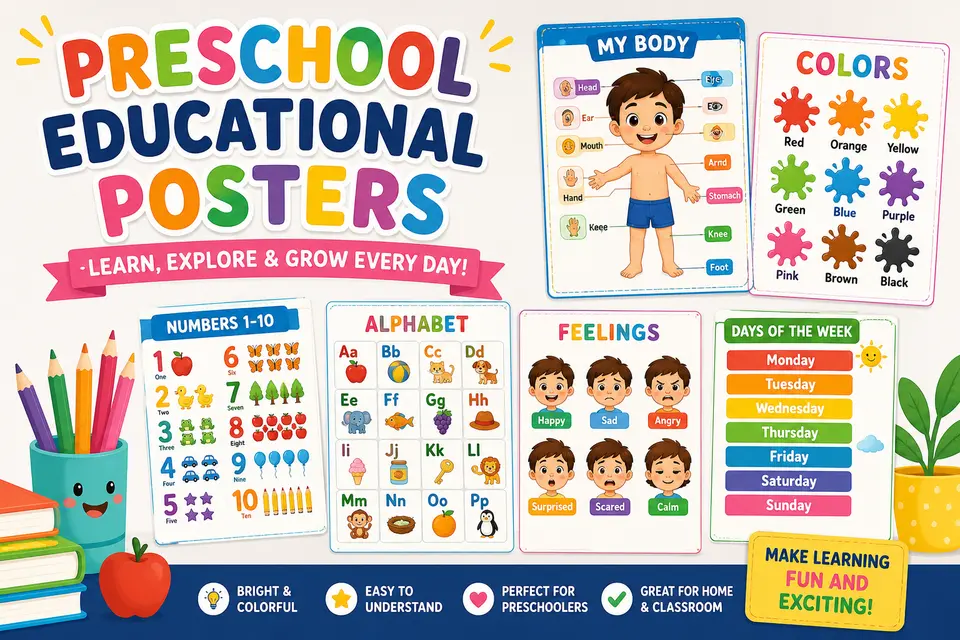
- Alphabet posters
Keep sessions short—about 10–15 minutes is often enough to maintain attention.
Step 2: Introduce a Few Letters at a Time
Instead of teaching all 26 letters at once, focus on a small group.
A helpful sequence is:
- Letters in the child’s name
- Frequently used letters
- Easy-to-pronounce letter sounds
- Remaining letters
This approach helps children make meaningful connections.
Step 3: Teach Letter Sounds Alongside Letter Names
Knowing letter names is helpful, but understanding their sounds is what supports reading.
For example:
| Letter | Sound | Example Word |
|---|---|---|
| A | /a/ | Apple |
| B | /b/ | Ball |
| C | /k/ | Cat |
| D | /d/ | Dog |
| M | /m/ | Moon |
Use simple words that preschoolers already know.
Step 4: Make Learning Fun with Songs
Music helps children remember information through rhythm and repetition.
Popular ideas include:
- ABC Song
- Alphabet action songs
- Letter sound songs
- Alphabet dance videos
Encourage children to clap, jump, or point to letters while singing.
Step 5: Read Alphabet Books Every Day
Books expose children to letters in meaningful contexts.
Choose books with:
- Large illustrations
- One featured letter per page
- Repetitive language
- Bright colors
- Familiar objects
Ask questions like:
- “Can you find the letter B?”
- “What picture starts with S?”
- “Which letter is in your name?”
Reading together also builds vocabulary and listening skills.
Step 6: Use Hands-On Alphabet Activities
Young children learn by touching, moving, and exploring.
Try activities such as:
- Building letters with playdough
- Tracing letters in sand
- Finger painting letters
- Writing with sidewalk chalk
- Forming letters using blocks
- Creating letters with craft sticks
These activities strengthen both letter recognition and fine motor skills.
Step 7: Play Alphabet Games
Games make learning feel like play instead of work.
Some favorites include:
- Alphabet scavenger hunt
- Letter matching
- Alphabet bingo
- Memory card games
- Fishing for letters
- Letter treasure hunt
One common mistake is spending too much time on worksheets. Preschoolers generally learn more effectively through active play than repetitive paper-based tasks.
Step 8: Practice Through Everyday Life
The best alphabet lessons often happen naturally.
Point out letters on:
- Street signs
- Food packaging
- Grocery lists
- Clothing labels
- Restaurant menus
- Cereal boxes
You might ask:
“Can you spot the letter M?”
These quick moments reinforce learning without feeling like a lesson.
Step 9: Encourage Name Recognition
A child’s own name is often the easiest word to learn.
Practice by:
- Writing their name daily
- Identifying the first letter
- Matching name cards
- Decorating name art
- Tracing letters in their name
Children are usually more motivated when learning letters that have personal meaning.
Step 10: Celebrate Progress
Learning the alphabet is a gradual process.
Celebrate milestones such as:
- Recognizing five letters
- Identifying letter sounds
- Writing their first letter
- Finding letters independently
- Singing the alphabet confidently
Praise effort rather than perfection to build confidence.
Common Mistakes to Avoid
Avoid these common pitfalls:
| Mistake | Better Approach |
|---|---|
| Teaching too many letters at once | Introduce a few at a time |
| Long lessons | Keep sessions short and engaging |
| Overusing worksheets | Balance with hands-on activities |
| Correcting every mistake | Encourage exploration and practice |
| Focusing only on memorization | Include sounds, movement, and play |
Alphabet Learning Checklist
Use this checklist to monitor progress:
- ☐ Recognizes uppercase letters
- ☐ Recognizes lowercase letters
- ☐ Knows several letter names
- ☐ Identifies common letter sounds
- ☐ Recognizes letters in their name
- ☐ Matches letters correctly
- ☐ Enjoys alphabet books
- ☐ Participates in alphabet games
- ☐ Begins tracing or writing letters
- ☐ Finds letters in everyday environments
A checklist like this makes it easier to see steady progress over time.
Frequently Asked Questions
Should I teach uppercase or lowercase letters first?
Many educators introduce uppercase letters first because they are visually simpler. However, children should gradually become familiar with both uppercase and lowercase letters, as lowercase letters appear more frequently in books.
How long should alphabet lessons last?
For most preschoolers, 10–15 minutes of focused instruction, combined with informal practice throughout the day, is effective.
Is it okay if my child learns letters out of order?
Yes. Many children first learn the letters in their own name or the ones they see most often. The order matters less than consistent, meaningful practice.
Should preschoolers know all letter sounds?
Not necessarily. By kindergarten, many children recognize most letters and know several common sounds. Learning continues over time through phonics instruction.
Final Thoughts
Teaching the alphabet to preschoolers doesn’t require expensive materials or lengthy lessons. The most effective approach combines play, repetition, conversation, books, songs, and everyday experiences. By introducing letters gradually, connecting them to familiar words, and celebrating small achievements, you’ll help children develop a strong foundation for reading and writing.
Remember that every child learns at their own pace. Keep activities enjoyable, encourage curiosity, and focus on progress rather than perfection. A positive early experience with letters can foster a lifelong love of reading.